Our commitment to protecting our right to a reasonable and equitable remote work assignment structure took another legal turn in August as a Lancaster County District Court judge dismissed two of our remote work grievances on the merits, and others on a procedural issue that affects all NAPE/AFSCME members.
Most state agencies still allow some employees to work remotely, but they aren’t implementing their remote work policies in the reasonable manner guaranteed by our contract. We filed grievances alleging a contract violation to challenge that unreasonable implementation.
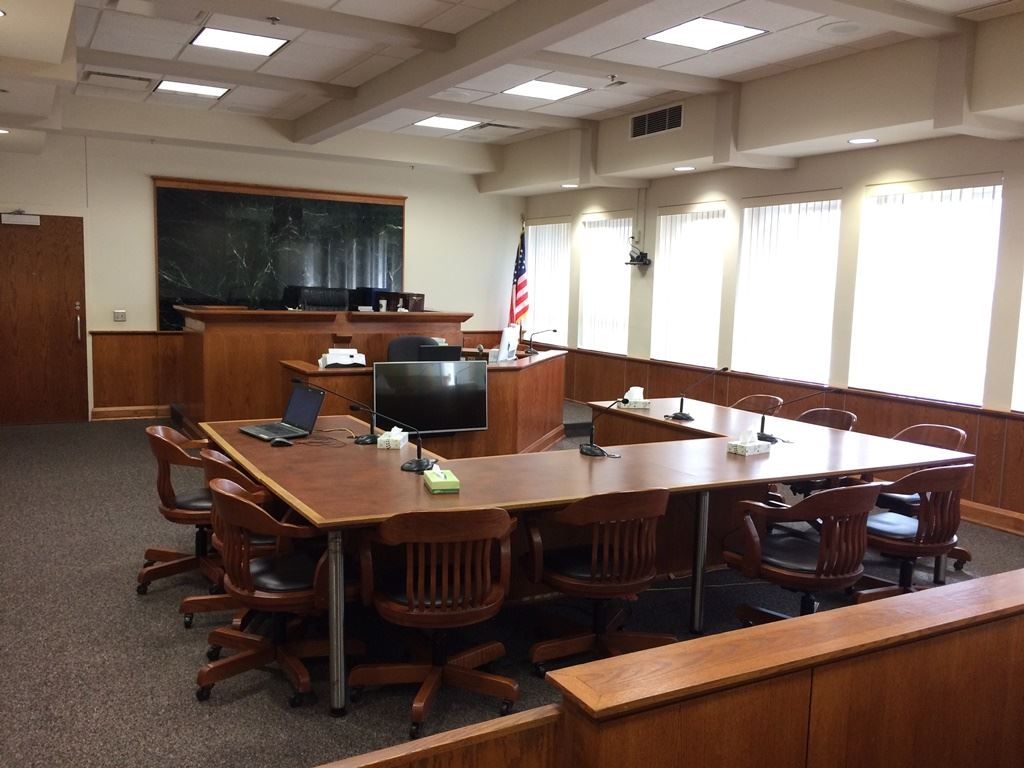
The grievances were initially dismissed by the Nebraska State Personnel Board, without an evidentiary hearing. Our union appealed the Personnel Board’s decision to the District Court. After the Nebraska Supreme Court ruled that remote work conditions were covered by our contract, Lancaster County District Court Judge Ryan Post heard oral arguments and then ordered supplemental briefs to be filed.
After supplemental briefs were filed in May, Judge Post ordered additional supplemental briefs to be filed in August regarding whether the Nebraska Administrative Procedure Act allows the District Court jurisdiction to review a grievance filed by multiple grievants without naming each individual grievant as a party.
Ultimately, Judge Post ruled that he did not have jurisdiction to review the grievances where each individual grievant was not named as a party and dismissed those cases. A copy of the order is available here. Judge Post allowed cases with only one grievant to proceed, but then dismissed the grievances finding that remote work policies are not rules regulating the job related personal conduct of employees. A copy of the decision is available here.
“We disagree with Judge Post’s ruling dismissing some cases because we believe that our contract grants the right for two or more state employees to file one grievance,” said Justin Hubly, NAPE/AFSCME Executive Director. “We have asked the judge to reconsider his ruling, and plan to appeal this issue as it will affect all future grievances for all union members when two or more people are harmed by the same action. We are also evaluating an appeal challenging the finding that a remote work policy is not a work rule regulating the job related personal conduct of our members.” A copy of the motion to reconsider is available here.
While we will continue to protect our members’ rights in court, our members prioritized the right to equitable remote work assignments, where feasible, in our negotiations proposals. “Our priority is to negotiate remote work in our contract when negotiations begin in September,” said Hubly. “But now we have another important issue regarding grievance appeals that must also be decided. We’re committed to standing up for our members’ rights in court and at the bargaining table.”